SEO Fundamentals for IT Teams: On-Page, Off-Page and Technical Priorities
- Rashmi Bhardwaj
- 462 views
A practical look at SEO's two core halves, plus the technical basics of speed, mobile readiness and crawlability that IT teams can act on.
Search engine optimization gets handed to marketing more often than it should. For sysadmins, MSP engineers and anyone running a company website, the technical half of SEO is where your team has direct leverage. The marketing half still matters, but the groundwork that determines whether crawlers can reach and render your pages usually lands in infrastructure territory.
At its core, SEO is the practice of improving online content and websites so they show up more prominently in search engine results. The goal is organic traffic: people who search for something related to your business and land on your pages without paid placement. Given how much of the buying and research journey now starts with a search box, visibility in those results feeds directly into brand exposure, lead generation and conversions.
Two Halves: On-Page and Off-Page
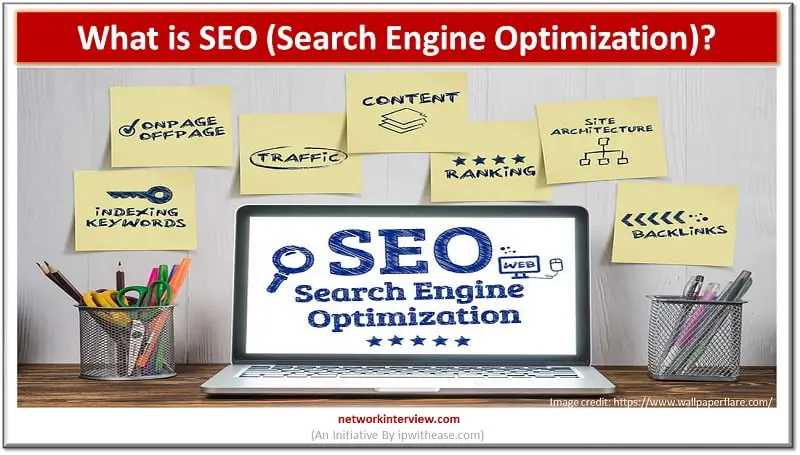
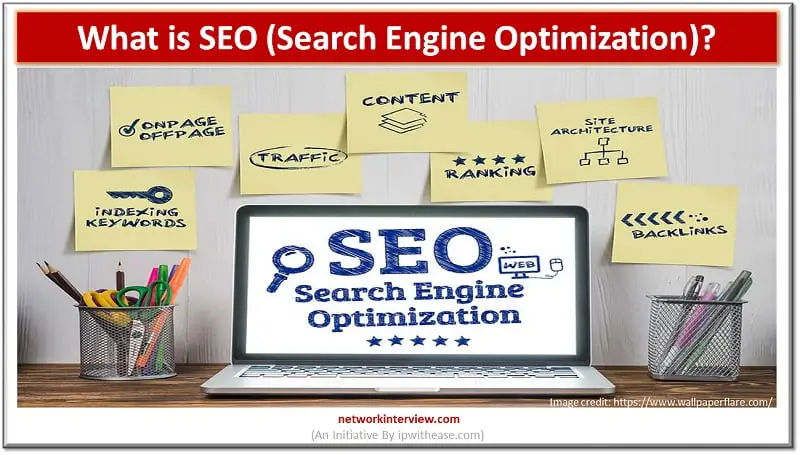
SEO is usually split into on-page and off-page work. On-page covers everything you control directly on your own pages, and it's the sensible starting point because you can see the effect of each change immediately. The source frames four areas here:
- Keyword research: identifying the terms your audience actually uses, then reflecting them in meta tags, headers and URLs so search engines can map your content to specific queries.
- Content quality: valuable, informative material aimed at the reader's needs, which draws natural traffic and builds credibility over time.
- Titles and headers: meta titles and descriptions written to earn the click, a clear H1/H2 structure for readability, and SEO-friendly URLs that describe the page.
- User experience: easy navigation, fast load times and mobile responsiveness. A well-organised site keeps visitors engaged, and that engagement feeds back into rankings.
Off-page work happens outside your own domain. Its purpose is to build the reputation and authority that tell search engines your site deserves attention. The main levers are:
- Backlinks: links from reputable, topically relevant sites, which signal that others vouch for your content.
- Social media: using platforms to promote content and interact with your audience. Shares and approvals are described as having an indirect effect on rankings.
- Reviews and feedback: monitoring what customers say publicly. Positive sentiment and favourable mentions support brand credibility and visibility.
The sequence matters. Get the pages right first, then work on external signals. Off-page effort isn't less important, but it's easier to build links to pages that are already worth linking to.
Technical Foundations for IT Teams
This is the section where infrastructure and operations people can contribute most, and it's where I'd put the first hours of any SEO review.
Website Speed and Performance
Faster pages reduce bounce rates and support better rankings. The source points to three concrete measures:
1. Reduce page weight by compressing images and files.
2. Use browser caching so frequently requested resources are stored locally on the client.
3. Choose reliable hosting to keep server response times low.
None of these are exotic. Image compression and caching headers are usually a quick win, and hosting decisions carry more weight than most teams expect. If your origin server is slow to respond, no amount of front-end tuning fully compensates.
Mobile-Friendliness
A site that ignores its mobile version is no longer a viable option, since most visitors arriving on a page are likely doing so from a phone. The source lists three benefits of getting this right: better search rankings on mobile from engines such as Google, stronger engagement and conversions, and a wider reachable audience. Treat mobile rendering as a test requirement in your change process, not a later polish item.
Indexing and Crawlability
Crawlers have to find and index your pages before any optimisation counts. Three measures are recommended:
- Create a robots.txt file to guide crawlers and keep irrelevant pages out of their path.
- Generate an XML sitemap so search engines can find and index your pages efficiently.
- Fix broken links and keep the site structure clear enough for both crawlers and people to follow.
Here's the thing: a misconfigured robots.txt can quietly hide sections of a site from search, and a stale sitemap can point crawlers at pages that no longer exist. Both are easy to introduce during migrations, CMS changes or DNS and hosting moves, so they belong on the change checklist.
The Limits of the Basics
The source presents SEO as a mechanism that can turn an obscure page into a well-visited destination, and that's a fair summary of the upside. Still, the work is harder than the overview suggests. Effective SEO depends on research, experimentation and testing, and results come from sustained attention rather than a one-off configuration pass.
For IT teams, the practical takeaway is to get the technical foundations right, keep them right through every infrastructure change, and hand the content and off-page work to people who can measure it. That division keeps the site crawlable, fast and mobile-ready, which is the part only your team can guarantee.