AI agents move into MSP ticket queues as vendors chase identity and endpoint risk
- Matt Whitlock
- 359 views
ConnectWise, Cisco and TD SYNNEX push AI agents into MSP workflows, while Huntress and Microsoft flag MDM abuse and a compromised certificate authority.
The most useful thread this week runs through the ticket queue. Vendors are no longer pitching AI as a chatbot that drafts answers. They want agents that touch live environments, approve changes and sit inside the tools MSPs already use. That raises the stakes for anyone who has to govern those changes, and it's worth reading the rest of the week's news through that lens.
Agents move into the PSA ticket
ConnectWise has made its RMM, Voice, Teams and Email AI agents generally available. The one that matters most for daily operations is the RMM agent. It diagnoses endpoint issues and stages vetted fixes inside PSA tickets, but a technician has to approve each one before anything runs. That approval step is the design choice to watch. It keeps a person in control of changes to customer environments, which is where most MSPs will want the line drawn at first.
ConnectWise CEO Manny Rivelo framed the shift this way: "The next phase of AI in managed services will be measured by the work it moves forward, not just the answers it generates." He added that the goal is "less repetitive work, more capacity to serve customers and technicians in control of changes to the environments they manage." Whether that holds up will depend on how often the staged fixes are right, and that's a question each shop should answer with its own ticket data.

Cisco is taking a broader partner-side approach. It has added ecosystem deal registration and higher adoption and growth incentives, given partners access to Cisco IQ, and expanded Cisco Cloud Control for managed and professional services. Tim Coogan, senior vice president of global partner sales at Cisco, tied these together under the Cisco 360 Partner Program, saying partners should be rewarded "from the advisor who shapes a decision to the partner who delivers and supports it." For MSPs that resell and manage Cisco, the practical question is which of these incentives map to the services they already deliver.

On the distribution side, Ingram Micro's SMB Quick Buy lets eligible U.S. partners configure, quote and order validated Cisco and Meraki SMB solutions inside Xvantage. Eric Kohl, global vice president of security and networking at Ingram Micro, said his company's research shows MSPs that use intelligence to improve efficiency will win more business. The pitch is faster quoting for smaller deals, which is usually where margin disappears into admin time.
Arrow has added a managed lifecycle layer for NetApp Keystone. Channel partners can deliver consumption-based storage with monitoring, optimization, cyber resilience and data protection services. Mike Martin, general manager of global services at Arrow enterprise computing solutions, said the offering is meant to help partners expand recurring revenue and simplify delivery. Storage-as-a-service only pays off for an MSP if the operational wrapper is clear, so the bundled services are the detail to scrutinize.
TD SYNNEX has expanded Destination AI with SMB-focused planning and lab experiences, a StreamOne AI Skills Marketplace, and partner training aimed at repeatable AI deployments. The initial AI Skills target sales, marketing, customer support, operations and knowledge management rather than basic productivity tasks. Sergio Farache, chief strategy and technology officer at TD SYNNEX, argued that the conversation has moved "from possibility" to execution. Separately, TD SYNNEX brought real-time Cisco commerce workspace integration to partner-branded storefronts, giving partners self-service Cisco ordering.
Security vendors line up around AI, identity and resilience
Several security launches this week share a theme: AI traffic and AI agents now need the same visibility as users and endpoints. Dell has added AI security and recovery services, PowerProtect recovery for Active Directory, Entra ID and Okta, identity managed detection and response, and planned quantum-ready storage capabilities. Simon Jelley, vice president of cyber resilience at Dell Technologies, said organizations are trying to protect AI environments and identity systems with tools designed for older threats. Recovery for identity platforms is the item most directly relevant to MSPs, since a compromised directory can stall everything else.
Fortinet's FortiGuard Inline AI Security Service is a cloud-delivered service that inspects prompts, model responses, MCP traffic and agent activity through existing FortiGate deployments. Michael Xie, Fortinet's founder, president and CTO, said the aim is to make AI security available through infrastructure customers already run. Fortinet also extended its unified SASE to small branches without on-site firewalls, which is a direct fit for MSPs managing many small sites.
Cato Networks has launched Cato AI Endpoint, which discovers and governs browser AI, desktop applications, local agents, MCP servers and skills. It runs alongside existing SSE, VPN and EDR tools rather than replacing them. Ofir Agasi, chief product officer at Cato, argued that AI "has outgrown the browser, but most security products have not." If that's right, the inventory problem is bigger than most asset lists assume, because desktop AI tools rarely show up in the places teams usually look.
ESET has introduced NeoCortex, a model that powers LiveCortex inside ESET Protect. It correlates telemetry, reconstructs incident context and estimates likely attack progression under human oversight. Juraj Malcho, ESET's chief technology officer, described the aim as cybersecurity intelligence that "strengthens, rather than replaces human expertise." The predictive claims are the part to test in a pilot before anyone counts on them.
Bitdefender's GravityZone Exposure Management combines vulnerability discovery, external attack surface management, attack-path analysis and dynamic hardening. It's designed for lean security teams that need to prioritize the exposures most likely to be exploited. Andrei Florescu, president and general manager of Bitdefender's Business Solutions Group, said the product adds AI visibility so it can track AI agents the same way it tracks users.
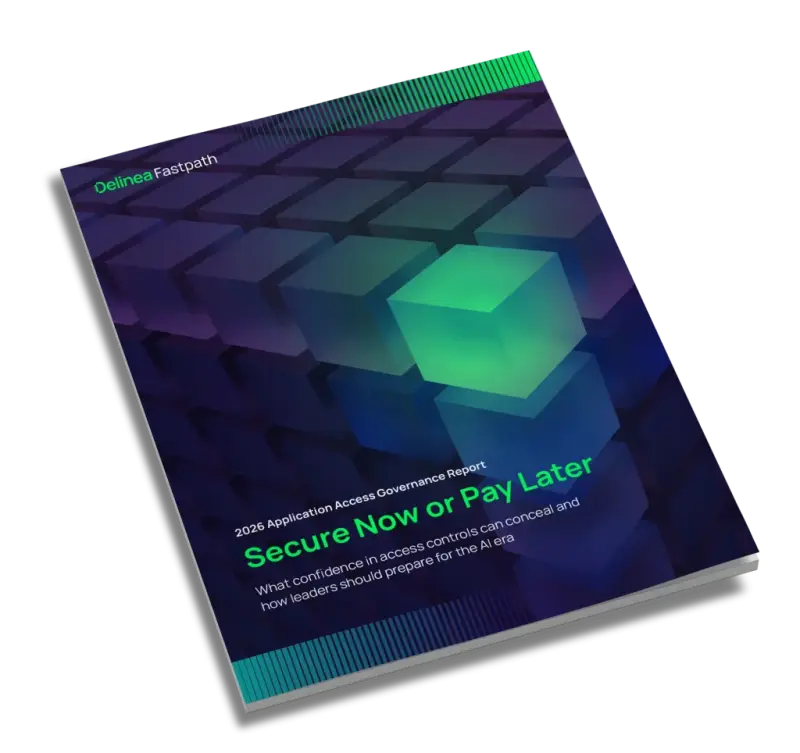
Delinea's 2026 Application Access Governance Report offers a useful reality check. Some 95% of organizations said they were confident their application access controls would withstand an external audit. Yet 51% reported the same or similar access findings recurring in consecutive years, or findings left open for three or more years. And 52% said they do not continuously monitor and remediate excess access. Confidence and governance clearly aren't the same thing, and that gap is where MSPs often get asked to help.
Trust and remote management under attack
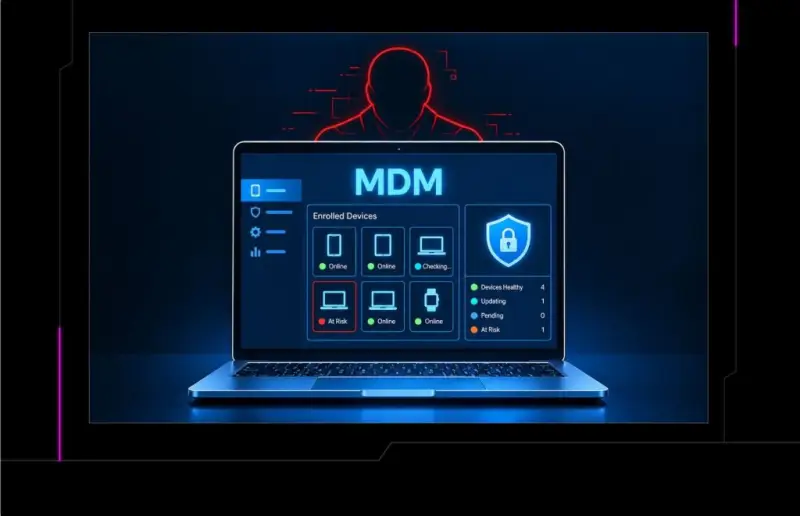
Huntress documented incidents where social engineering enrolled devices into attacker-controlled Hexnode or Rippling tenants. Those tenants were then used to push rogue remote management tools. The attackers used business-themed lures to enroll devices in legitimate MDM platforms rather than exploiting a product flaw. In one case, an attacker-controlled MDM tenant gave persistent privileged access that could reinstall ScreenConnect after an MSP had removed it.
That last detail is the lesson for MSPs. Removing a tool from an endpoint doesn't help if the management plane that delivers it stays under attacker control. Huntress recommends correlating unexpected MDM enrollments, management agents, RMM services and outbound relay connections. Those are the signals to pull into your monitoring and review, starting with enrollments your team can't explain.
Microsoft has also responded to a key compromise at eMudhra. Private keys tied to eight eMudhra G3B and G3C subordinate certificate authorities were compromised. Six are TLS CAs and two are code-signing CAs. Microsoft says the incident involved eMudhra and did not represent a compromise of Microsoft systems. On Oct. 20, Microsoft published an out-of-band Windows update that blocks the eight compromised CA keys through the Disallowed Certificate Trust List. It also pushed an emergency CRLSet update to Edge and WebView2 to block the affected TLS CA keys. If your estate has Windows and Edge endpoints, confirm that the out-of-band update and browser updates are in place, and check any internal tooling that depends on those certificate chains.
Networking gets central oversight
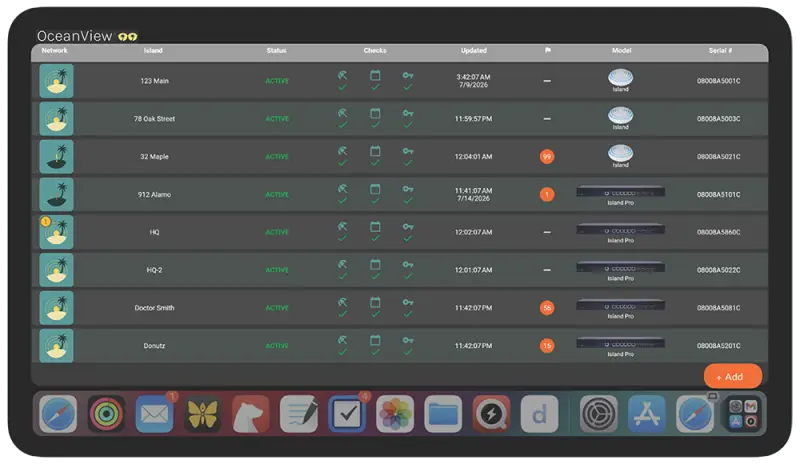
Island's firmware Version 4.1 adds OceanView fleet monitoring and Cross Connect. Integrators and multilocation businesses get centralized visibility, plus more granular communication across segmented networks. Tom Gallo, Island's chief revenue officer, said integrators had been asking for this, and the goal is to spot issues before customers notice them. For MSPs running distributed firewall fleets, single-pane oversight tends to matter more than any individual feature.
My read on the week: the agent-driven tools deserve trials on low-risk tickets with approval gates kept in place. The identity and MDM items deserve action this week, not next quarter. Confirm your Windows and Edge updates, audit who can enrol devices in your management tools, and find out which AI agents and local AI apps are already running on customer endpoints.


