Data Center Power Demand Needs Grid, Nuclear and Community Planning Together
- Natalie Stipan
- 590 views
Speakers at INL's Nuclear for Data Centers Workshop argued that AI power growth needs grid upgrades, flexible loads, nuclear planning and early community engagement.
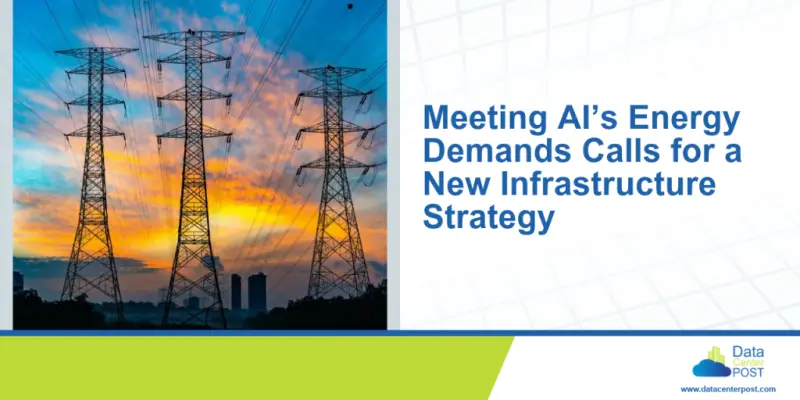
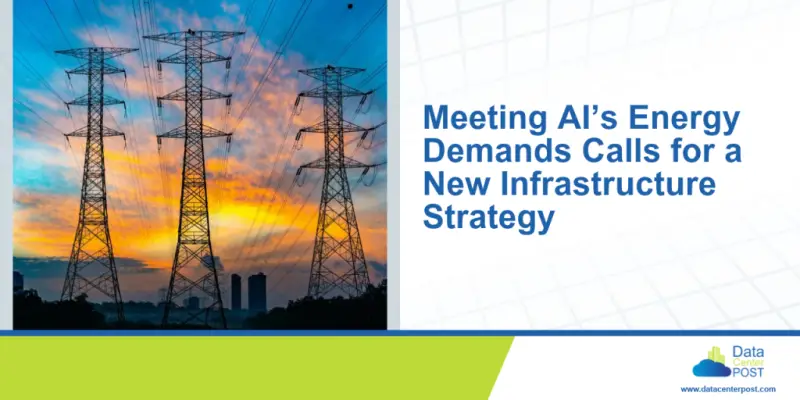
Here's the thing: for a while, the question for data center developers was simply whether they could get enough megawatts. That's no longer the whole problem. Grid reliability, transmission capacity, interconnection timelines and local acceptance now shape where facilities can go and how quickly they can open. The third Nuclear for Data Centers Workshop, run by Idaho National Laboratory (INL) from October 26 to 29, 2026 in Idaho Falls, Idaho, made that case from several angles at once.
The event, held under the theme Rising to the Challenge: Meeting the Speed of Data Center Growth with Cross-Sector Solutions, brought together utilities, nuclear developers, digital infrastructure leaders and researchers. The recurring message was that no single fix will carry the load. Generation has to arrive alongside grid upgrades, operational changes and genuine engagement with the communities that host these sites.
AI Workloads Are Breaking Old Assumptions About Load
Utility planning has long depended on consumption patterns that move slowly and predictably. AI-driven computing doesn't behave that way. As an illustration, he pointed to a data center drawing 1,000 megawatts that could see computational load swings of roughly 400 megawatts within minutes. That kind of movement puts real strain on generation resources and on grid stability.
The implication is that adding capacity is only part of the answer. Transmission limits, substation requirements, equipment lead times and interconnection processes all have to keep pace with large, fast-moving loads. A new power plant that can't reach the site on time doesn't help much.
Tim Reynolds of the Western Electricity Coordinating Council (WECC) focused on how data centers interact with the wider electrical system. His argument was that accurate equipment modeling, close coordination with utilities and a better understanding of how facilities react to grid disturbances are becoming essential. That matters most as individual campuses grow large enough to affect interconnected networks, not just the substation they sit behind.
Data Centers as Grid Participants, Not Just Consumers
The more interesting thread was whether data centers can help the grid rather than only draw from it. Ryan Cobey, Critical Infrastructure Analyst at INL, looked at energy storage, behind-the-meter generation, demand flexibility and participation in ancillary services markets as ways to build a more collaborative relationship with utilities.
In practice, those tools could let a facility temporarily lean less on grid power during periods of high demand while keeping critical operations running. My read is that this is where the hard engineering conversations will happen. Flexibility depends heavily on each site's operating requirements, and colocation providers bound by strict customer service agreements will have less room to move than an owner-operator with its own workloads.
That points to a broader shift in how developers and utilities should approach procurement and interconnection. Earlier collaboration, better load forecasting and more openness about operational requirements will determine how fast new facilities can connect without putting reliability at risk.
Nuclear Options Face a Timing Gap
Nuclear power came up repeatedly as a candidate for long-term supply. The workshop looked at expanding existing nuclear capacity and deploying advanced reactor designs. Discussions involved Aalo Atomics, Antares Industries, Deep Fission, Deployable Energy and Terra Innovatum, which together illustrate the range of designs being pursued.
The catch is timing. Commercialization schedules, approval requirements, financing and grid integration all have to line up with data center build-out, and those clocks don't necessarily run at the same speed. Teams planning capacity over the next few years can't assume advanced reactors will arrive on a timetable that matches their facility plans, so near-term strategies still need to rely on other sources.
Community Engagement Has to Start Early
Technology alone won't decide whether these projects succeed. Ilissa Miller, CEO of iMiller Public Relations, and Phil Koblence of Nomad Futurist joined the panel Data Centers Engaging with Communities, which brought public perception directly into the discussion.
Data centers need large amounts of electricity, water and land, and developers face growing scrutiny over how those demands affect local resources. The workshop's position was that relationships should be built early, so that concerns can be understood, impacts explained and trust established before pushback hardens into a barrier. Communities are weighing these projects against their own long-term economic and resource priorities, and transparent, ongoing communication is what keeps the conversation productive.
Water use, heat management, siting and the cybersecurity of water infrastructure were also part of the discussion. Taken together, they show that energy planning can't be separated from the environmental and community questions around it.
What Operators Should Take From This
The workshop's overall conclusion is that utilities, nuclear technology providers, data center operators and community stakeholders can't work in isolation when each group's decisions affect the others. For IT and facilities teams, that means power planning now belongs in the same conversation as capacity forecasting, lease terms and site selection. Load profiles need to be shared with utilities early, flexibility options such as storage and demand management need evaluating against real service agreements, and community outreach needs to begin before a project is public.
The future of data center power, as INL framed it, depends on more than finding new electricity sources. It requires grid modernization, nuclear innovation, operational flexibility and credible community engagement working together. Watch for how quickly utilities adapt their planning models to fast-swinging AI loads, because that will set the pace for everything else.